The Basics of Ductless Air Conditioner Mini Systems
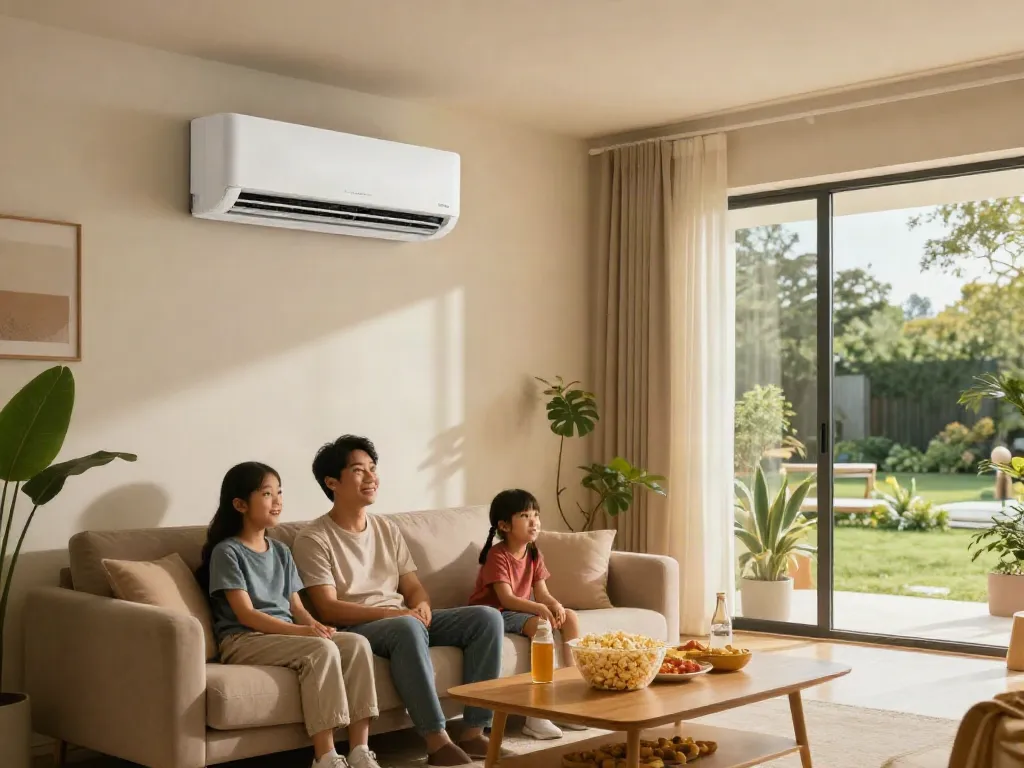
Ductless air conditioner mini systems, also known as mini-split systems, are increasingly favored for their efficiency and versatility in home climate control. These systems provide targeted heating and cooling solutions without the need for extensive ductwork, making them ideal for various applications, from single rooms to multi-zone environments. When exploring options, ductless air conditioner mini systems offer a compact design and improved energy savings that appeal to modern homeowners seeking comfort and efficiency.
What is a Ductless Air Conditioner Mini?
A ductless air conditioner mini, or mini-split, consists of two primary components: an outdoor condenser unit and one or more indoor air-handling units. This design allows for installation flexibility and minimizes the disruption typically associated with traditional HVAC systems. They operate using a refrigerant that circulates between the indoor and outdoor units, transferring heat to either cool or warm the indoor air as needed.
Key Components and Functionality Explained
- Outdoor Unit: Houses the compressor and condensing coils.
- Indoor Unit: Contains the evaporator coils and blower fan, distributing the conditioned air inside.
- Refrigerant Lines: Connect the indoor and outdoor units, allowing for heat exchange.
- Remote Control: Often included for user-friendly operation, allowing for temperature and mode adjustments from anywhere in the room.
The functionality of ductless mini-split systems is straightforward: the outdoor unit absorbs heat from the air and transfers it indoors during heating mode or vice versa for cooling. This efficient method effectively maintains a comfortable indoor environment while consuming less energy than traditional systems.
Advantages of Ductless Systems Over Traditional AC
Ductless air conditioner mini systems bring several advantages compared to traditional central air conditioning systems. Firstly, their installation is less invasive, requiring only a small hole for the refrigerant lines. This results in lower installation costs and faster setup times. Additionally, they provide superior energy efficiency; many models boast SEER ratings exceeding 20, which can lead to significant savings on utility bills.
Another significant benefit is their zoning capabilities. Homeowners can choose to cool or heat individual rooms, allowing for personalized comfort and optimized energy use. This flexibility makes ductless systems particularly beneficial for homes with varying heating and cooling needs across different spaces.
Choosing the Right Ductless Air Conditioner Mini for Your Home
When selecting the right ductless air conditioner mini system for your home, it’s essential to consider several factors to ensure you maximize comfort and efficiency. The right choice can significantly enhance your household's energy management and comfort levels.
Factors to Consider in Size and BTU Requirements
The size of the ductless air conditioner mini system you need is largely determined by the BTUs (British Thermal Units) required to effectively cool or heat your space. A room’s square footage, insulation levels, and ceiling height all play a critical role in determining the appropriate BTU rating. Typically, a small room of about 150-300 square feet may require a unit with approximately 6,000-9,000 BTUs, whereas larger rooms may need units providing 12,000 BTUs or more.
Energy Efficiency Ratings and Their Importance
Energy efficiency ratings are crucial when selecting a ductless air conditioner mini. The Seasonal Energy Efficiency Ratio (SEER) and the Heating Seasonal Performance Factor (HSPF) are common metrics to evaluate a system's efficiency. Higher ratings indicate better energy performance, which translates to lower operating costs. Look for models with a SEER rating of at least 16 or above to ensure you are investing in a high-efficiency unit.
Comparing Popular Brands and Models in 2026
In 2026, several brands dominate the ductless air conditioner mini market, each offering various models with unique features. Brands such as Mitsubishi, Fujitsu, and LG are noted for their reliability and performance. When comparing models, consider factors such as warranty terms, customer service ratings, and availability of parts. Additionally, feature-rich models may include smart home integration, allowing for easy control through mobile apps, enhancing convenience and energy management.
Installation Overview: Ductless Air Conditioner Mini
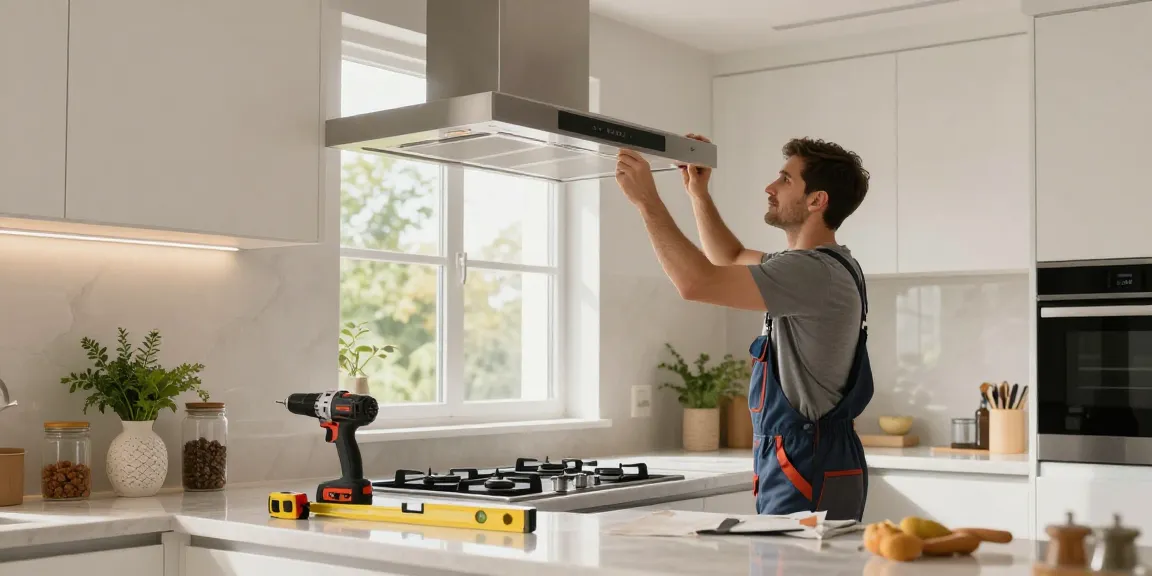
Installing a ductless air conditioner mini can be a straightforward process, especially if you follow a well-planned approach. Proper installation is vital for optimal performance and longevity of the system.
Pre-Installation Preparation and Planning
Before installation, conduct a thorough assessment of your space. Identify the best locations for both indoor and outdoor units, considering factors such as airflow, insulation, and accessibility for maintenance. Additionally, ensure compliance with local building codes and regulations, which may dictate specific installation practices.
Step-by-Step Installation Guide
- Install the outdoor unit on a stable platform, ensuring it is level and has adequate clearance for airflow.
- Run the refrigerant lines from the outdoor unit to the designated indoor units, securing them along walls or ceilings.
- Mount the indoor units securely, following the manufacturer’s guidelines.
- Connect the refrigerant lines, electrical wires, and drainage pipes as per the installation manual.
- Test the system after completing the installation to ensure it operates correctly.
Common Mistakes to Avoid During Installation
Avoiding common installation errors can save time and costs associated with future repairs. Ensure that the refrigerant lines are not kinked or pinched, as this can lead to inefficiencies. Additionally, take care to properly insulate any exposed lines to prevent energy loss. Ensuring all electrical connections are secure and compliant with local codes is also essential to avoid safety hazards.
Maintenance and Troubleshooting Tips
Regular maintenance is key to the longevity and efficiency of your ductless air conditioner mini. By implementing a consistent maintenance routine, homeowners can avoid many common issues and ensure optimal performance.
Regular Maintenance Practices for Optimal Performance
Perform seasonal maintenance, including cleaning or replacing air filters every 1-3 months depending on usage. Additionally, check the outdoor unit for debris and ensure proper clearance for airflow. An annual professional inspection can also identify potential issues before they become significant problems.
Signs Your Ductless Air Conditioner Mini Needs Repair
Be vigilant for signs that your ductless air conditioner mini may need repair. Common indicators include unusual noises, weak airflow, inconsistent temperatures, or increased energy bills. If you notice any of these signs, it may be time to consult a professional technician.
How to Troubleshoot Common Issues
If your system isn't performing as expected, start by checking the remote control settings to ensure it’s set to the desired mode. Inspect the filters and clean them if they appear clogged. If problems persist, refer to the user manual for troubleshooting tips specific to your model, or contact a licensed technician for more complex issues.
Future Trends in Ductless Air Conditioning Technology
As technology continues to evolve, ductless air conditioning systems are becoming increasingly sophisticated. Homeowners looking to invest in HVAC solutions should stay informed about upcoming trends and innovations within the ductless space.
Evolving Energy Standards and Regulations for 2026
Energy efficiency standards for HVAC systems are expected to tighten in 2026, pushing manufacturers to develop even more efficient models. Look for systems that meet or exceed the new SEER and HSPF requirements to ensure compliance and sustainability.
Innovative Features on the Horizon for Ductless Systems
Future ductless air conditioner mini systems may include advanced technologies such as variable speed compressors, which adapt their output based on real-time conditions, enhancing energy efficiency even further. Additionally, enhanced air purification features are likely to become standard, improving indoor air quality significantly.
Enhancements in Smart Home Integration and Control
The integration of smart home technology in HVAC systems is on the rise. Expect new ductless models to offer seamless compatibility with various smart home ecosystems, allowing users to control their systems from anywhere and optimize performance based on their preferences.
What are the benefits of ductless air conditioners?
Ductless air conditioners offer numerous benefits, including energy efficiency, flexibility in installation, and effective zoning capabilities. They provide personalized comfort without the need for extensive ductwork, making them suitable for various home types.
How do ductless air conditioners work?
Ductless air conditioners operate by using refrigerant lines to connect an outdoor unit to one or more indoor units. The system absorbs heat from indoors and expels it outside, or vice versa, depending on the mode selected.
Are ductless air conditioners more efficient than traditional systems?
Yes, ductless air conditioners are generally more efficient than traditional systems, as they avoid the energy losses associated with ductwork and can operate more effectively under varying loads.
What size ductless air conditioner do I need?
The appropriate size of a ductless air conditioner is determined by the BTU requirements for your space, calculated based on room size, insulation, and other factors. Accurate sizing is essential to ensure efficient operation.
How much does it cost to install a ductless air conditioner mini?
The cost of installing a ductless air conditioner mini varies depending on factors such as unit size, complexity of installation, and geographic location. On average, homeowners can expect installation costs to range from $2,000 to $5,000.